Essay · Storytelling
Storytelling Techniques for Facilitators
A short guide to traditional storytelling techniques — and how they shape the way we facilitate groups, hold space, and move from insight into Wise Action.
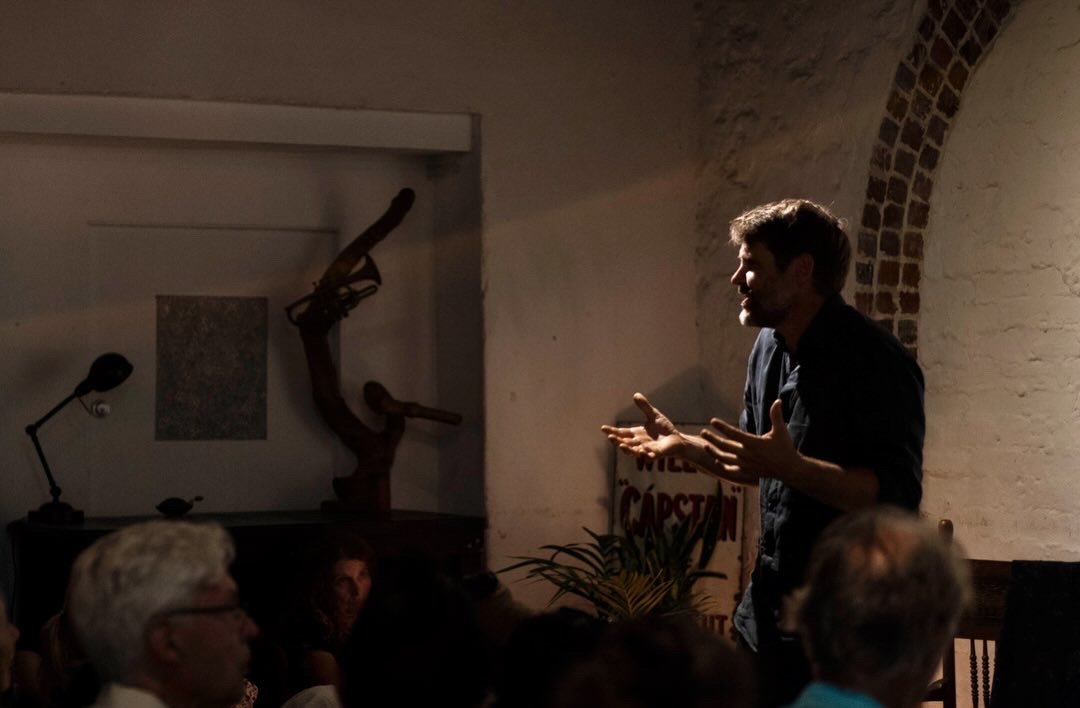
Storytelling is older than facilitation, older than leadership development, older than the meeting room. When facilitators reach for the old techniques — the held silence, the poetic image, the repeated phrase — they aren't decorating their work. They are stepping into a mode of attention that humans have practised for as long as we have sat around fires.
The mythic lens
A myth is not a children's story dressed up in old language. It is a way of looking. A mythic lens treats a group's situation as a landscape — with thresholds, helpers, shadows, gifts, and tasks. The facilitator's job is not to translate the myth for the group, but to invite the group close enough to the image that it begins to translate them.
Five techniques worth practising
1. Tell from the image, not the plot
Beginners summarise. Storytellers describe. Before you speak a scene, see it — the quality of the light, the texture under the hand, the smell on the air. The listener's imagination is doing the work; your job is to give it something specific enough to catch on.
2. Trust the pause
Silence is not absence; it is space the listener fills. A pause after a strong image lets the group meet the story rather than be carried past it. In facilitation, this same pause invites the group to meet themselves.
3. Use the threshold
Traditional stories almost always cross a threshold: out of the village, into the wood, down to the sea. Mark thresholds in your sessions too — a change in posture, a ritual question, a moment of standing rather than sitting. The body knows when something has shifted.
4. Ask mythic questions
Instead of "what did you think of the story?", ask: which image followed you home?, where in your life is the wolf at the door?, what is the gift the youngest sister gave away?. Mythic questions sidestep the analytical mind and meet people where their lives are actually being lived.
5. End on the next step, not the conclusion
Wisdom isn't insight; it's action. Close by inviting the smallest possible movement from the story into the week ahead — a conversation to have, a walk to take, a thing to put down. This is the practical edge of Wise Action: the moment the story stops being a thing you heard and becomes a thing you do.
Why this matters for facilitators
Most groups are over-informed and under-imagined. A well-told story doesn't add another idea to the pile — it relocates the conversation. Suddenly the team isn't arguing about strategy; they're arguing about who, in this old tale, they recognise themselves to be. That shift is the whole point.
If you would like to bring storytelling into your team, gathering or programme, get in touch.